Before you use this guide
This is general information, not a diagnosis or a substitute for care from a clinician who knows your medical history. Seek urgent help for severe or rapidly worsening symptoms.
Why blood sugar testing may be considered
Type 2 diabetes can cause thirst, frequent urination, tiredness, blurred vision, recurrent thrush or unexplained weight loss, but some people have no symptoms. Risk is also influenced by factors such as family history, ethnicity, weight, activity, age and conditions including high blood pressure.
If you have symptoms or a higher risk, a blood test can help identify the next step. A private result should connect to clinical follow-up rather than be treated as a standalone health score.
Private blood testing
Blood tests for this
Samples are taken at our Greysteel clinic, near Derry/Londonderry, or in Letterkenny. Prices include sample collection, with no GP referral needed.

Heart & metabolic
Diabetes Status
HbA1c, glucose, insulin and C-peptide, used to assess blood sugar control and diabetes risk.
4 biomarkers · Fasting
£49

Heart & metabolic
Lipids & HbA1c
Cholesterol, triglycerides, HbA1c, CRP and a full blood count, for heart and blood sugar health in one test.
9 biomarkers
£59
HbA1c and blood glucose
HbA1c reflects average blood glucose over the preceding two to three months and does not usually require fasting. A plasma glucose test measures glucose at a particular time and may be requested fasting or as part of another diagnostic approach.
The tests are not interchangeable in every situation. Pregnancy, some blood disorders and conditions affecting red blood-cell turnover can make HbA1c unsuitable or harder to interpret, so the correct test depends on clinical context.
Screening is not the end of the pathway
A result suggesting diabetes or increased risk needs appropriate review. Depending on symptoms and the value, a clinician may confirm the result, assess cardiovascular risk and discuss changes to food, activity, weight or medication.
Do not assume that a single normal test explains persistent symptoms. Seek medical assessment if you remain unwell, particularly if symptoms are progressing.
Testing after a diagnosis
For people with diagnosed type 2 diabetes, NICE recommends tailoring HbA1c monitoring to individual need. It is generally measured more often while treatment is changing or control is not stable, then less often once stable.
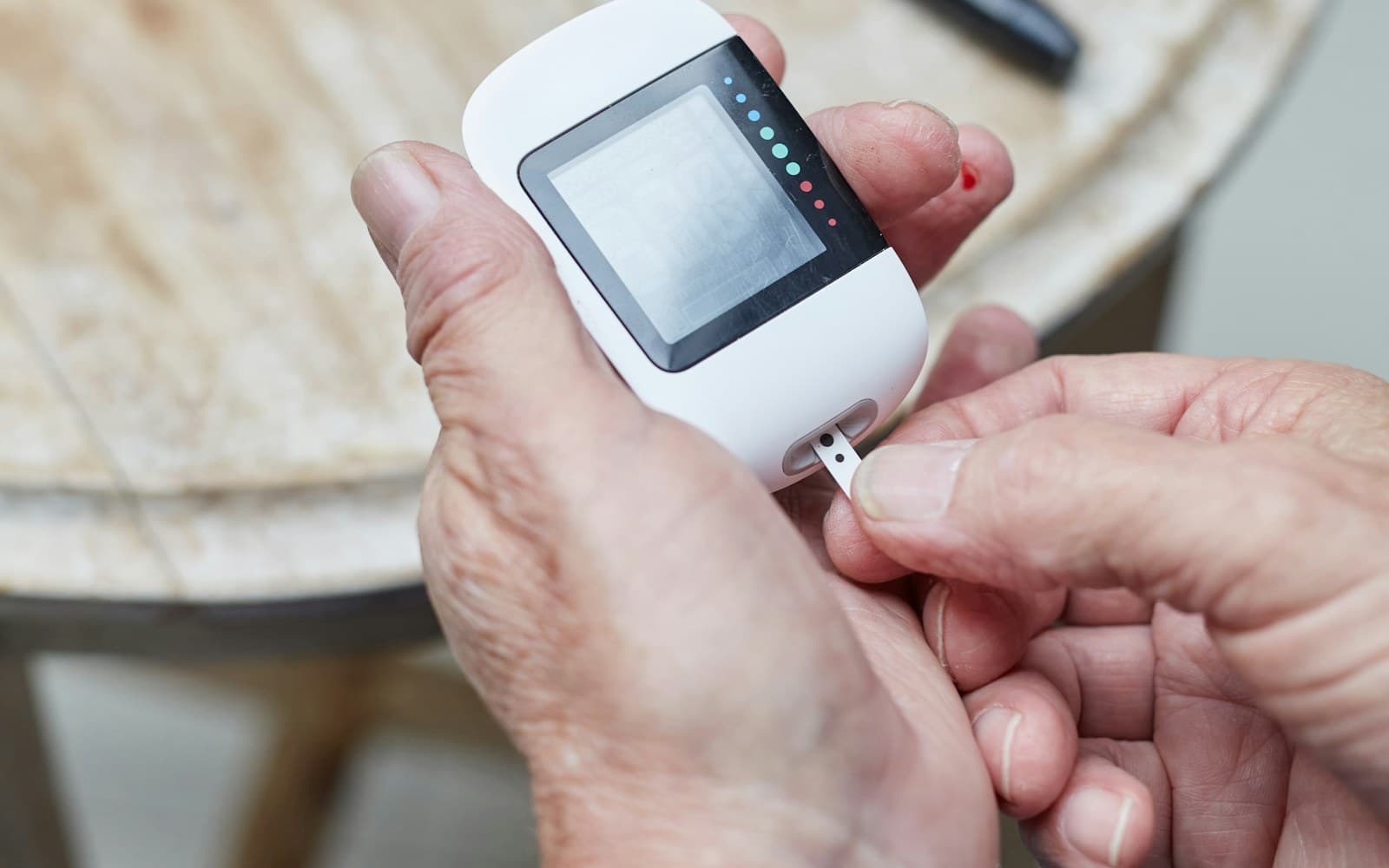
Targets are individual and should be agreed with the treating clinician. Home glucose monitoring serves a different purpose and is not required in the same way for every person with type 2 diabetes.
When to seek prompt help
Contact a healthcare professional if you have symptoms of diabetes or a result outside the expected range. Seek urgent help for rapidly worsening symptoms, vomiting, abdominal pain, deep or rapid breathing, marked drowsiness or confusion rather than waiting for a routine private appointment.
Common questions
Questions about this topic.
HbA1c does not usually require fasting. Other glucose tests may have different preparation, so check the instructions for the specific test booked.
About the author
Written by Dr John T. Doherty, consultant doctor and founder of Jace Medical, an RQIA-registered private healthcare provider with clinics in Greysteel and Letterkenny.
Sources and further reading
We use authoritative UK guidance and patient information. External sources may be updated after this guide is published.