Before you use this guide
This is general information, not a diagnosis or a substitute for care from a clinician who knows your medical history. Seek urgent help for severe or rapidly worsening symptoms.
What is an STI testing window period?
An infection may be present before a laboratory test can detect it. The interval between a possible exposure and the point at which a test is considered reliably informative is called the window period. Testing inside that window can produce a negative result even though infection has occurred.
The timing is not identical for every infection or every test. Laboratory method, sample site, symptoms, preventive medication and local protocol can all affect the advice. Use the window supplied by the clinic arranging your test, particularly for HIV, hepatitis and syphilis.
Common testing windows used by UK sexual health services
- Chlamydia: commonly test from around 2 weeks after the contact.
- Gonorrhoea: commonly test from around 2 weeks after the contact.
- HIV: the window depends on the assay; many UK services advise a laboratory test at around 6 to 7 weeks, with later testing in some circumstances.
- Syphilis: antibodies can take longer to appear, and some services advise testing or repeating at 12 weeks.
- Hepatitis B and C: timing depends on the exposure, vaccination history and type of test, so obtain individual advice.
When you should not wait to seek advice
Contact a sexual health service promptly if you have discharge, pain when urinating, sores, a rash, unexplained bleeding, testicular pain or pelvic pain. A clinician may test earlier, examine you or arrange treatment based on symptoms and exposure history.
If a possible HIV exposure happened within the last 72 hours, seek urgent advice from a sexual health clinic or emergency department about post-exposure prophylaxis (PEP). It works best when started as soon as possible. If pregnancy is possible after unprotected sex or contraceptive failure, emergency contraception is also time-sensitive.
Timing is only part of an accurate screen
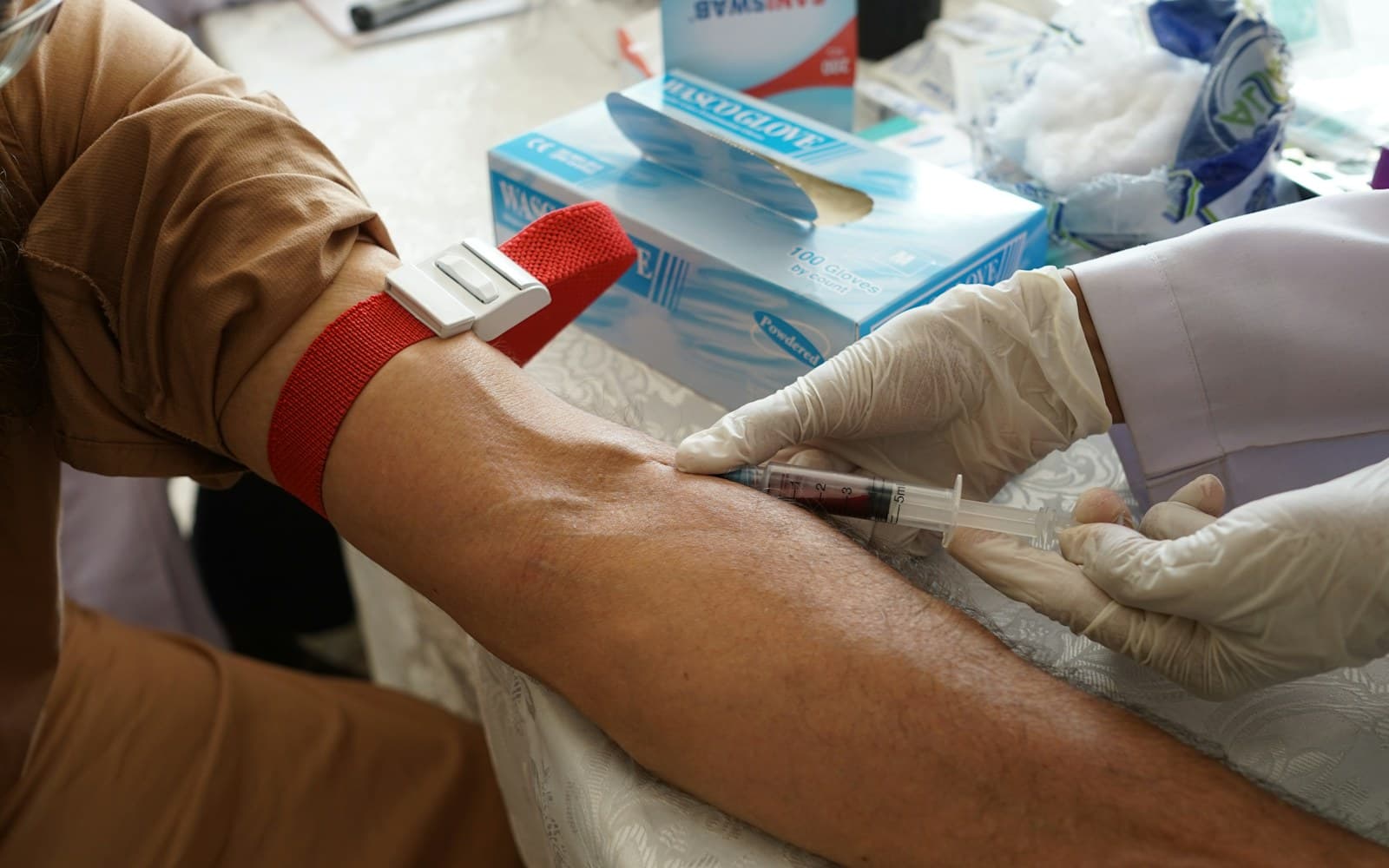
The sample must match the sites exposed. Depending on the sexual contact, testing may involve urine, a vaginal swab, throat swab, rectal swab, lesion swab or blood sample. A urine-only screen can miss an infection at the throat or rectum.
Tell the clinic about oral, vaginal and anal contact without assuming one standard panel covers every site. Also mention antibiotics taken since the exposure, previous infections, vaccination, PrEP or PEP because these may change the recommended pathway.
What a negative or positive result means
A negative result is reassuring only for the infections and anatomical sites tested, and only when the sample was taken at an appropriate time. A clinician may recommend repeat testing if the test was early or the exposure was higher risk.
A positive result should lead to confidential advice on treatment, avoiding onward transmission, partner notification and any test of cure or repeat screen required. Many STIs are treatable, and specialist NHS sexual health services remain free and confidential if that route is more appropriate for you.
Common questions
Questions about this topic.
You can seek advice immediately, but a test taken very early may not exclude infection from that contact. The clinic may test now and recommend a repeat after the relevant window.
About the author
Written by Dr John T. Doherty, consultant doctor and founder of Jace Medical, an RQIA-registered private healthcare provider with clinics in Greysteel and Letterkenny.
Sources and further reading
We use authoritative UK guidance and patient information. External sources may be updated after this guide is published.