Before you use this guide
This is general information, not a diagnosis or a substitute for care from a clinician who knows your medical history. Seek urgent help for severe or rapidly worsening symptoms.
Start with the instructions for your test
Blood tests measure different things, so preparation is not identical for every appointment. Many routine tests require no special preparation. Others may need a fasting sample, a morning appointment or careful timing around medication or the menstrual cycle.
Use the instructions supplied with your booking as the final word. If they are unclear, ask the clinic before changing what you eat, drink or take. A correctly prepared sample is more likely to produce a result that can be interpreted with confidence.
Private blood testing
Blood tests for this
Samples are taken at our Greysteel clinic, near Derry/Londonderry, or in Letterkenny. Prices include sample collection, with no GP referral needed.

Health screens
Standard Screen
A broad general-health screen covering a wide range of routine markers, with options to add more detail, nutrition or hormones.
27 biomarkers · Fasting
From £129

Heart & metabolic
Lipids & HbA1c
Cholesterol, triglycerides, HbA1c, CRP and a full blood count, for heart and blood sugar health in one test.
9 biomarkers
£59
Heart & metabolic
Diabetes Status
HbA1c, glucose, insulin and C-peptide, used to assess blood sugar control and diabetes risk.
4 biomarkers · Fasting
£49
Fasting: only when you have been asked
Fasting usually means having nothing except plain water for the period stated in your instructions. Tea, coffee, chewing gum, sweets and calorific drinks can all affect some measurements. Do not extend the fast beyond the requested period in the belief that it will improve the result.
If you have diabetes, are pregnant, feel unwell when fasting or take medication with food, contact the clinic for individual advice before the appointment. Safety takes priority over completing a private test on a particular day.
Medication and supplements
Continue prescribed medication unless a qualified clinician has specifically told you to change it. Bring an accurate list of medicines, vitamins, hormone treatments and supplements because these can provide important context when results are interpreted.
Some supplements can interfere with particular laboratory methods. Rather than stopping them yourself, disclose what you take and follow the preparation advice for the selected profile.
On the day of your appointment
- Drink water unless your instructions say otherwise; being hydrated can make blood collection easier.
- Wear clothing that allows easy access to your upper arm.
- Arrive a few minutes early so you are not rushing.
- Tell the person taking your sample if you feel faint, dislike needles or have previously been difficult to bleed.
- Check how and when your results will be delivered before you leave.
After the sample is taken
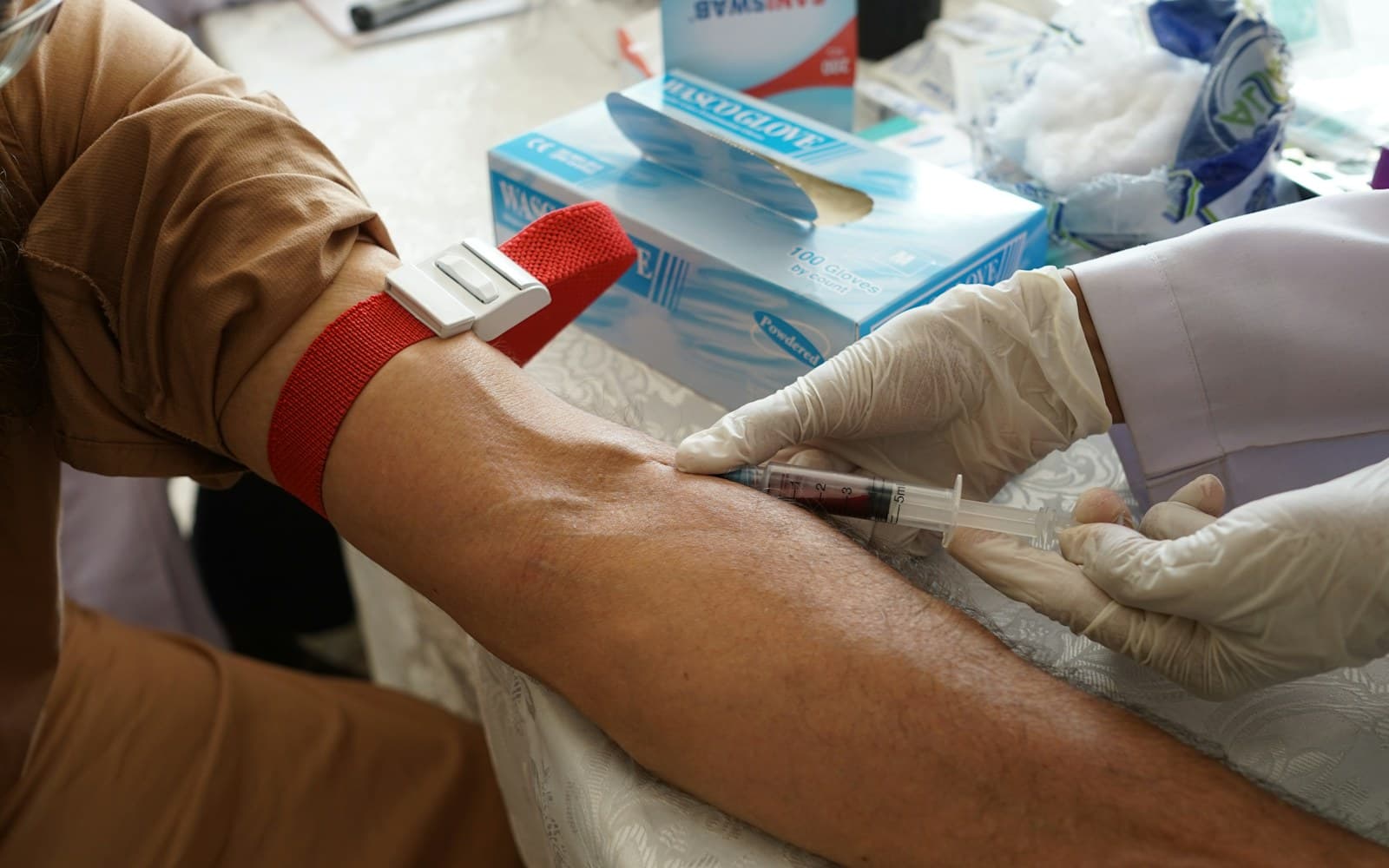
Most blood draws take only a few minutes. Keep pressure on the site as advised, particularly if you bruise easily or take anticoagulant medication. Mild tenderness or a small bruise can occur and usually settles.
A result is one part of a wider clinical picture. If a value is outside its reference range, avoid drawing conclusions from the number alone; the appropriate next step may be clinical review, repeat testing or a different investigation.
Common questions
Questions about this topic.
Plain water is usually allowed and can help with sample collection, but always follow the instructions supplied for your specific test.
About the author
Written by Dr John T. Doherty, consultant doctor and founder of Jace Medical, an RQIA-registered private healthcare provider with clinics in Greysteel and Letterkenny.
Sources and further reading
We use authoritative UK guidance and patient information. External sources may be updated after this guide is published.