Before you use this guide
This is general information, not a diagnosis or a substitute for care from a clinician who knows your medical history. Seek urgent help for severe or rapidly worsening symptoms.
Begin with a clear health question
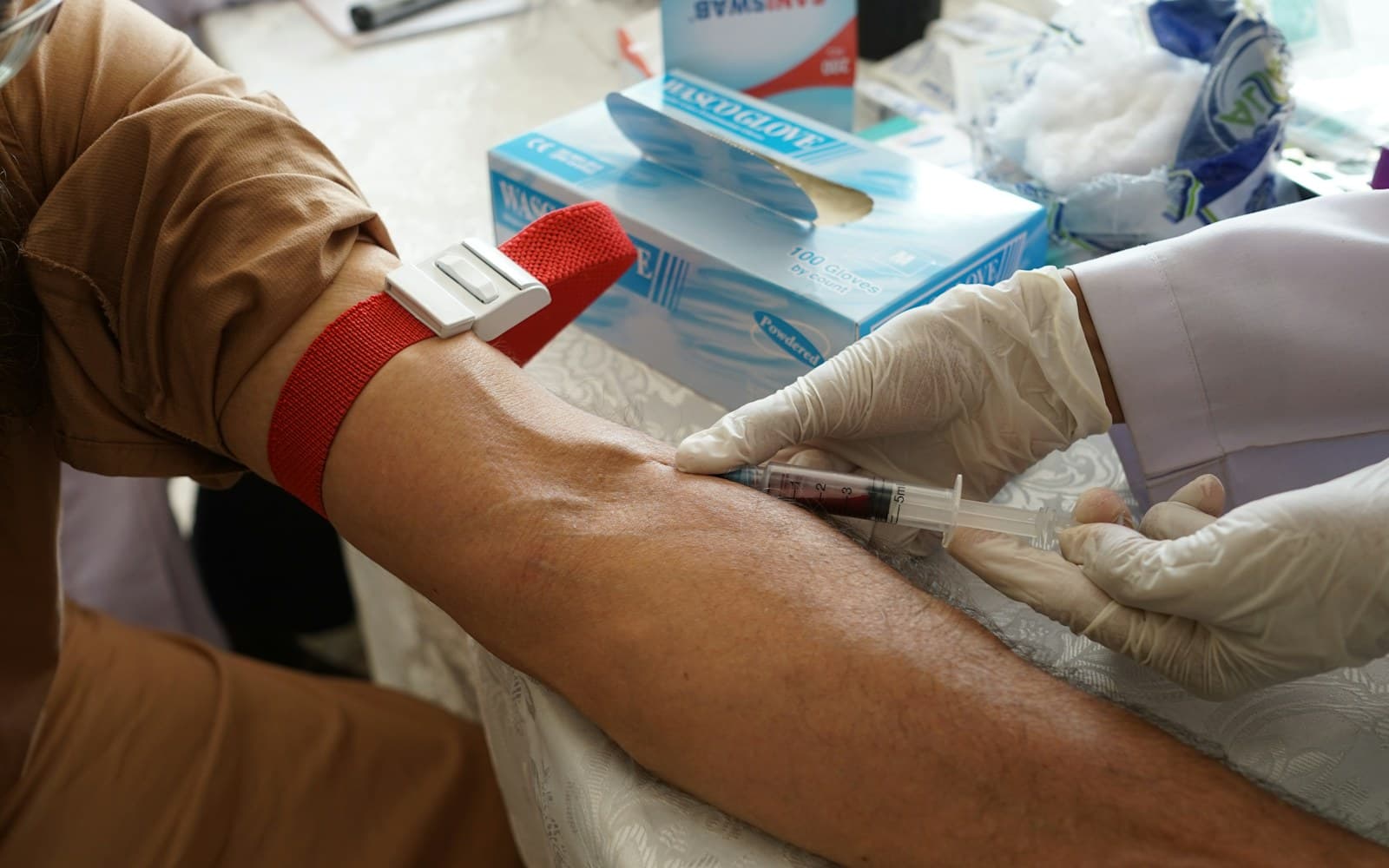
A useful blood test starts with a purpose: investigating symptoms, monitoring a known condition, checking the effect of treatment or assessing a recognised risk. Write down what has changed, how long it has been happening and any relevant family or medical history.
This makes it easier to choose a focused profile. Fatigue, for example, has many possible causes; an enormous untargeted panel may produce incidental abnormalities without explaining why you feel unwell.
Private blood testing
Blood tests for this
Samples are taken at our Greysteel clinic, near Derry/Londonderry, or in Letterkenny. Prices include sample collection, with no GP referral needed.

Health screens
Basic Screen
An entry-level health screen for people who want a simple baseline before choosing anything more detailed.
22 biomarkers · Fasting
£59

Health screens
Standard Screen
A broad general-health screen covering a wide range of routine markers, with options to add more detail, nutrition or hormones.
27 biomarkers · Fasting
From £129

Health screens
Advanced Screen
A detailed health screen covering heart, metabolic, hormonal and nutritional markers, or our most comprehensive screen with Plus.
50 biomarkers · Fasting
From £219
Understand screening and diagnostic testing
Screening looks for increased risk in people who do not have symptoms. Diagnostic testing investigates symptoms or a specific clinical concern. The distinction matters because a screening result is not necessarily a diagnosis and often needs confirmation.
No test is perfect. Testing many low-risk markers increases the chance of a result falling outside a reference range by chance. That can create anxiety, false reassurance or unnecessary follow-up, which is why the widest panel is not always the most clinically useful choice.
Questions to ask before booking
- Which symptoms, risk factors or monitoring need is this profile intended to address?
- What markers are included, and why are they relevant?
- Is preparation or particular timing required?
- Who will explain the result and its limitations?
- What support is available if further testing or medical review is recommended?
- How will your personal and health information be protected?
When a private test is not the best first step
If you have new, severe or rapidly worsening symptoms, seek appropriate medical assessment rather than relying on a self-selected panel. A clinician may need to examine you, arrange imaging or choose tests that are not part of a consumer profile.
Private testing can offer convenience and choice, but it should connect to an appropriate follow-up pathway. A reassuring result should never be used to dismiss persistent or concerning symptoms.
A sensible next step
If you already know which profile you need, compare the included markers, preparation and expected turnaround before booking. If you are unsure, contact the Jace team with the question you are trying to answer; we can help identify an appropriate starting point or explain when a clinical appointment would be more suitable.
Common questions
Questions about this topic.
Not necessarily. A focused panel chosen for a clear reason is often easier to interpret and less likely to generate incidental findings that do not help answer your question.
About the author
Written by Dr John T. Doherty, consultant doctor and founder of Jace Medical, an RQIA-registered private healthcare provider with clinics in Greysteel and Letterkenny.
Sources and further reading
We use authoritative UK guidance and patient information. External sources may be updated after this guide is published.