Before you use this guide
This is general information, not a diagnosis or a substitute for care from a clinician who knows your medical history. Seek urgent help for severe or rapidly worsening symptoms.
The short answer: two medicines, not two brands of the same drug
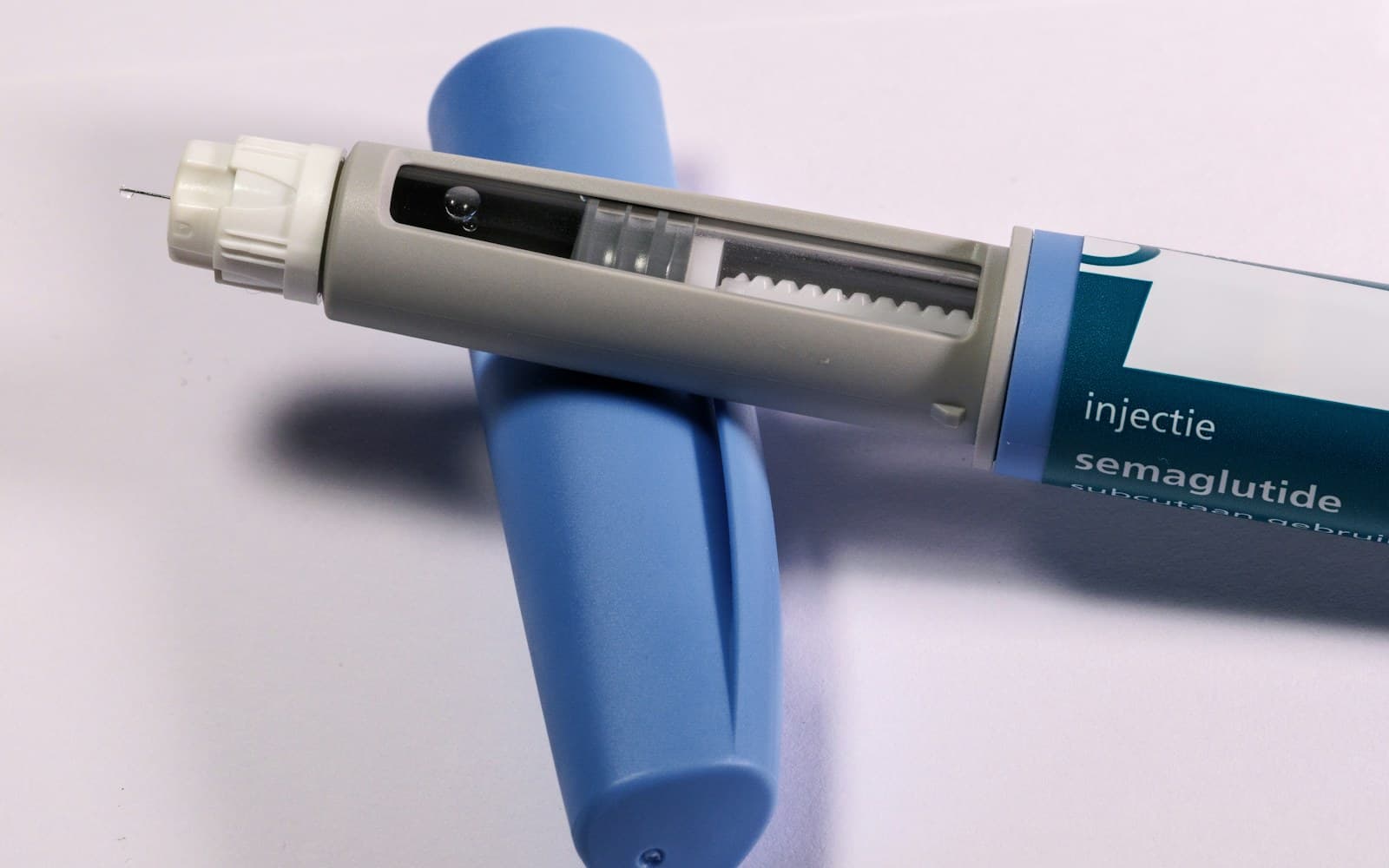
Wegovy and Mounjaro are once-weekly injectable prescription medicines licensed for weight management in eligible adults. Wegovy contains semaglutide and acts on the GLP-1 pathway. Mounjaro contains tirzepatide and acts on both GIP and GLP-1 pathways. These signals are involved in appetite, fullness and blood-glucose regulation.
Both medicines are intended to support weight management alongside a reduced-calorie eating plan and increased physical activity. Neither is a cosmetic quick fix, and neither should be bought from an unregulated seller or used without a prescribing assessment.
Who may be eligible?
The UK marketing authorisations generally include adults living with obesity, or adults who are overweight and have at least one weight-related health condition. A prescriber must still assess whether treatment is appropriate. BMI is only one part of that decision.
Medical history, current medicines, previous weight-management treatment, pregnancy plans, digestive symptoms and conditions affecting the pancreas, gallbladder or endocrine system may all be relevant. NHS access criteria and rollout arrangements are more restrictive than the full licensed indication, so NHS eligibility should not be assumed from private eligibility—or vice versa.
Which one leads to more weight loss?
Clinical studies show that both medicines can support meaningful weight loss for many eligible patients, but an average trial result cannot predict an individual outcome. Differences between studies, doses, participant groups and lifestyle support make simple headline comparisons unreliable.
The best option is not automatically the medicine associated with the largest average change. A clinician weighs potential benefit against contraindications, side effects, other medication, previous response, availability, cost and the support you can sustain. Treatment should be reviewed if it is not producing sufficient benefit or adverse effects are difficult to manage.
Side effects and important safety points
Nausea, vomiting, diarrhoea, constipation and abdominal discomfort are common with both medicines, especially while the dose is being increased. Gradual dose escalation is designed to improve tolerability, but you should follow the prescribed schedule rather than increasing more quickly.
Seek clinical advice for persistent vomiting, dehydration or severe abdominal pain. Tell healthcare professionals that you use a GLP-1 medicine before surgery or a procedure involving sedation. These medicines should not be used during pregnancy, while trying to become pregnant or while breastfeeding.
The MHRA advises that people using oral contraception with tirzepatide add a barrier method for four weeks after starting and for four weeks after every dose increase, or discuss a non-oral method with a healthcare professional. Semaglutide and tirzepatide also have different recommended wash-out periods before a planned pregnancy.
Why the programme around the prescription matters
Medication can reduce appetite, but long-term health still depends on adequate nutrition, maintaining muscle, activity, sleep and practical habits. Monitoring can identify side effects, review progress and help avoid unsafe dose changes or inadequate food intake.
A useful programme should explain what happens if treatment is paused or stopped, how prescriptions are reviewed, who to contact with side effects and how weight, waist or body-composition trends will be interpreted. Jace offers clinician-led assessment and ongoing support rather than treating the prescription as a standalone product.
Common questions
Questions about this topic.
A switch may be considered, but it must be planned by a prescriber. The medicines are not dose-equivalent, and the timing, starting dose and reason for switching need clinical review.
Sources and further reading
We use authoritative UK guidance and patient information. External sources may be updated after this guide is published.