At a glance
- Symptoms of deficiency overlap with many other conditions.
- Testing should reflect diet, symptoms and absorption risk.
- Finding the cause matters as much as finding a low level.
Before you use this guide
This is general information, not a diagnosis or a substitute for care from a clinician who knows your medical history. Seek urgent help for severe or rapidly worsening symptoms.
Which blood tests can check nutritional deficiencies?
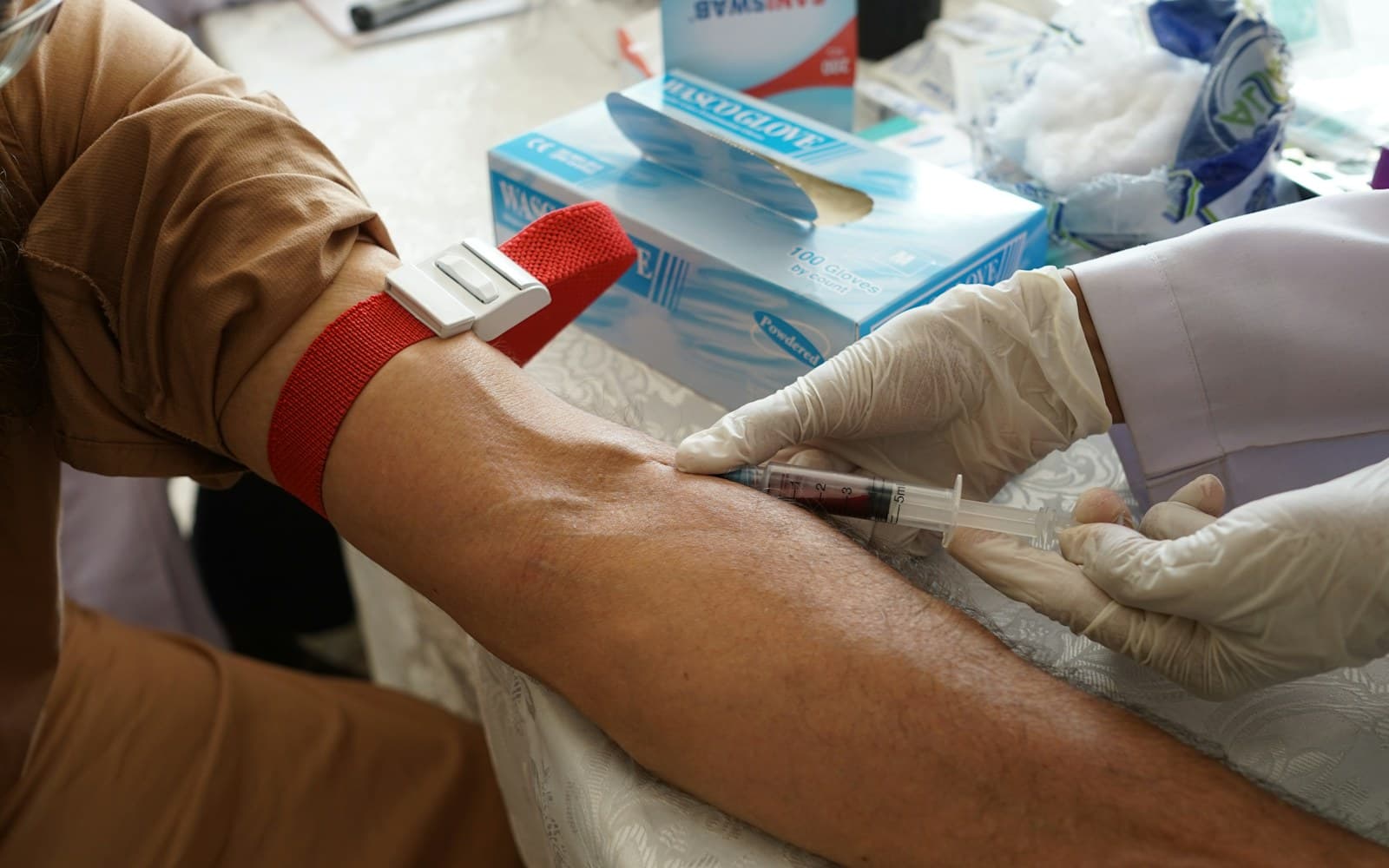
Selected blood tests can help investigate iron, vitamin B12 or folate deficiency. A full blood count, ferritin and vitamin levels answer different questions; there is no single blood test that reliably checks every nutrient.
Tiredness, weakness, breathlessness, mouth symptoms, pins and needles or poor concentration can occur with nutritional deficiencies, but they can also have many other causes. A focused history helps decide whether testing for iron, vitamin B12, folate or another marker is appropriate.
Relevant context includes diet, heavy menstrual bleeding, pregnancy, gastrointestinal symptoms or surgery, alcohol intake, long-term illness and medicines that affect absorption.
Guidance: NHS: Iron deficiency anaemia; NHS: Vitamin B12 or folate deficiency anaemia diagnosis
Private blood testing
Blood tests for this
Samples are taken at our Greysteel clinic, near Derry/Londonderry, or in Letterkenny. Prices include sample collection, with no GP referral needed.

Energy & nutrition
Iron Status
A focused look at iron levels, including ferritin, and how iron is being stored and transported in the blood.
5 biomarkers
£49

Energy & nutrition
Vitamin B12
Measures vitamin B12, important for healthy blood and nerves, or Active B12, the form your body can use.
1 biomarker
£49

Energy & nutrition
Anaemia Profile
Markers commonly used to look for anaemia and its causes, including iron and vitamin levels.
10 biomarkers
£129
Commonly considered blood markers
- A full blood count looks for anaemia and changes in blood cells.
- Ferritin can help assess iron stores, although inflammation can affect interpretation.
- Vitamin B12 and folate results are interpreted with symptoms and the blood count.
- Vitamin D testing is usually targeted to symptoms, high risk or another clinical reason.
- Other nutrients are tested selectively when history or symptoms provide a reason.
Guidance: NHS: Iron deficiency anaemia; NHS: Vitamin B12 or folate deficiency anaemia diagnosis; Gloucestershire Hospitals NHS: Ferritin assay; NICE PH56: Vitamin D supplement use in specific population groups
A low result is the start of the question
Identifying a deficiency does not explain why it developed. Causes can include limited intake, blood loss, increased requirements, malabsorption or an underlying condition. The appropriate treatment and follow-up depend on that cause.
For example, vitamin B12 deficiency can occur even when the diet appears adequate because absorption is impaired. Iron deficiency may require investigation for blood loss rather than supplementation alone.
Tell the clinic about supplements
Vitamin B12 supplements can raise the measured B12 level and make an underlying deficiency harder to assess. NICE advises asking about the product and dose and, where possible, taking a diagnostic sample before starting replacement treatment. Treatment should not be delayed when urgent care is needed.
Starting high-dose supplements before testing can change results and complicate interpretation. Some supplements also interfere with particular laboratory methods. Do not delay urgent treatment that has been clinically advised, but avoid self-prescribing large doses solely to “correct” an unconfirmed deficiency.
Bring the product names and doses you take. If repeat testing is needed, follow the interval and preparation recommended for that marker and treatment plan.
Guidance: NICE NG239: Vitamin B12 deficiency diagnosis and management
When to seek medical advice
Arrange clinical assessment for persistent symptoms, unexplained weight loss, significant breathlessness, neurological symptoms such as numbness or balance problems, blood loss, or a markedly restricted diet. Some complications of vitamin B12 deficiency can become irreversible if treatment is delayed.
A broad wellness panel should not substitute for assessment when symptoms are significant or worsening.
Common questions
Questions about this topic.
No. Some nutrients do not have a straightforward screening test, and results need to be selected and interpreted alongside symptoms, diet and medical history.
Sources and further reading
We use authoritative UK guidance and patient information. External sources may be updated after this guide is published.