At a glance
- Symptoms and consistently low results are both needed for diagnosis.
- Testing is usually done fasting in the morning.
- A low result commonly needs confirmation on another day.
Before you use this guide
This is general information, not a diagnosis or a substitute for care from a clinician who knows your medical history. Seek urgent help for severe or rapidly worsening symptoms.
What does a testosterone blood test measure?
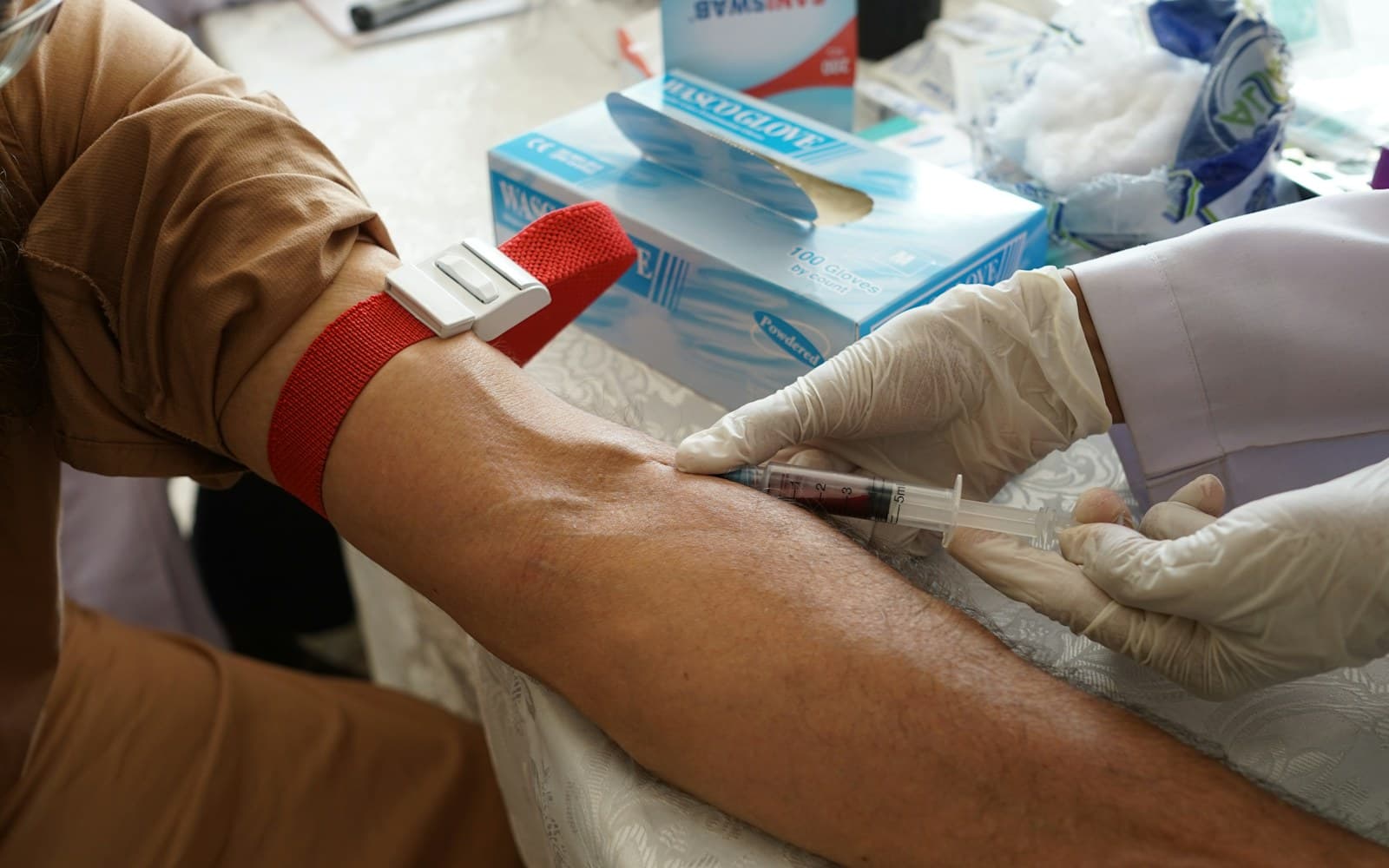
A testosterone blood test measures the level of testosterone in a blood sample. Total testosterone is usually the starting measurement when a clinician is investigating symptoms of deficiency. A result is interpreted alongside symptoms, medical history and the laboratory’s reference range.
If the initial result is borderline, SHBG can help a clinician interpret total testosterone and calculate free testosterone when appropriate.
Guidance: Society for Endocrinology and ACB: Testosterone testing position statement (2023)
Private blood testing
Blood tests for this
Samples are taken at our Greysteel clinic, near Derry/Londonderry, or in Letterkenny. Prices include sample collection, with no GP referral needed.

Hormones & fertility
Testosterone Monitoring
Testosterone panels for men who need regular monitoring, for example while on testosterone therapy.
5 biomarkers · Fasting recommended
From £49

Hormones & fertility
Free Testosterone
Measures free testosterone, the active portion not bound to proteins in the blood.
4 biomarkers · Fasting recommended
£49
When testosterone testing may be useful
Possible testosterone deficiency can involve reduced libido, erectile difficulties or loss of morning erections. Other features may include low mood, fatigue, reduced strength, anaemia or low bone density, but these are non-specific and commonly have other causes.
A diagnosis of male hypogonadism requires a compatible clinical picture and biochemical evidence. A test ordered without considering symptoms is more likely to be misleading.
What time should a testosterone test be taken?
A morning, fasting sample is generally recommended when investigating low testosterone, ideally after a good night’s sleep and when you are not acutely ill. Food, sleep and illness can affect the result, so follow the clinician’s instructions for your appointment.
Shift work and disrupted sleep can change the usual rhythm, so tell the clinician when you normally sleep and wake. Follow the instructions supplied for your appointment.
Guidance: Society for Endocrinology and ACB: Testosterone testing position statement (2023)
Why one low result is not enough
A result below the laboratory reference range is generally repeated on a different morning before a diagnosis is made. Testosterone varies within the same person, and temporary factors can suppress it.
If a result is borderline or inconsistent with symptoms, sex hormone-binding globulin may help estimate free testosterone. LH, FSH and prolactin can provide information about possible causes when clinically indicated.
Do not self-treat a result
Testosterone treatment is not an appropriate response to tiredness alone or a single private result. Treatment decisions require confirmation, assessment of the cause, discussion of fertility and other risks, and ongoing monitoring.
Non-hormonal factors such as sleep, weight, alcohol, stress, mental health, medication and other medical conditions may contribute to symptoms and should not be overlooked.
Before booking a hormone profile
- Identify the symptoms you want investigated and how long they have been present.
- Choose a morning appointment and follow fasting instructions.
- Avoid testing during an acute illness where possible.
- List prescribed medicines, supplements and anabolic steroid use honestly.
- Plan for clinical review and repeat confirmation if the result is low.
Common questions
Questions about this topic.
A fasting morning sample is generally recommended when investigating low testosterone. Sleep patterns and individual circumstances matter, particularly for shift workers; follow the clinician’s instructions.
Sources and further reading
We use authoritative UK guidance and patient information. External sources may be updated after this guide is published.