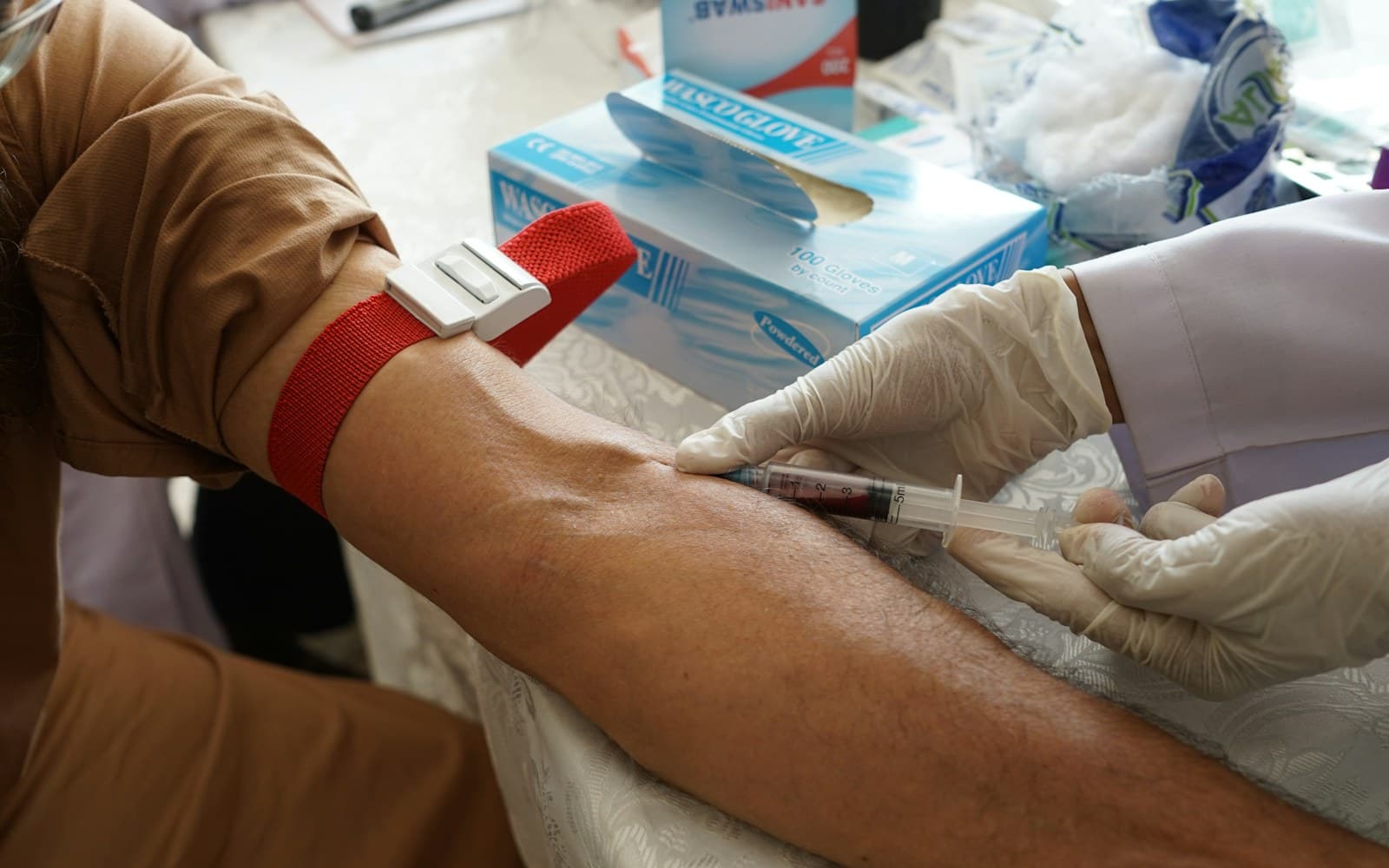
Blood testing basics 6 min read
How to prepare for a blood test
Clear, practical preparation advice—from fasting and medication to hydration and appointment-day nerves.
Jace health guides
Practical guides to help you understand a health concern, compare your options and know when to speak to a healthcare professional.
 Read the featured guide: Vitamin D testing: who may benefit?
Browse by topic
23 guides shown
Clear, practical preparation advice—from fasting and medication to hydration and appointment-day nerves.

How to choose a focused test that answers a real question—not simply the panel with the most markers.

There is no universal testing timetable. Here is what should determine when repeating a blood test is worthwhile.

Hormone results depend on the question, the menstrual cycle and medication. Learn what testing can—and cannot—show.

Progesterone is only meaningful when it is timed to your cycle. “Day 21” is right for a 28-day cycle, but not for everyone.

Menopause is often identified from age, cycle changes and symptoms—not a hormone panel. Here is when testing can help.

Blood tests can support a PCOS assessment, but diagnosis depends on symptoms, history and sometimes imaging too.

A reliable testosterone assessment is more than one number: symptoms, morning timing and repeat confirmation all matter.

Fatigue does not automatically mean a vitamin deficiency. Targeted testing should reflect symptoms, diet and risk.

Blood tests can find treatable contributors to hair shedding, such as low iron or an underactive thyroid, but they do not explain every type of hair loss.
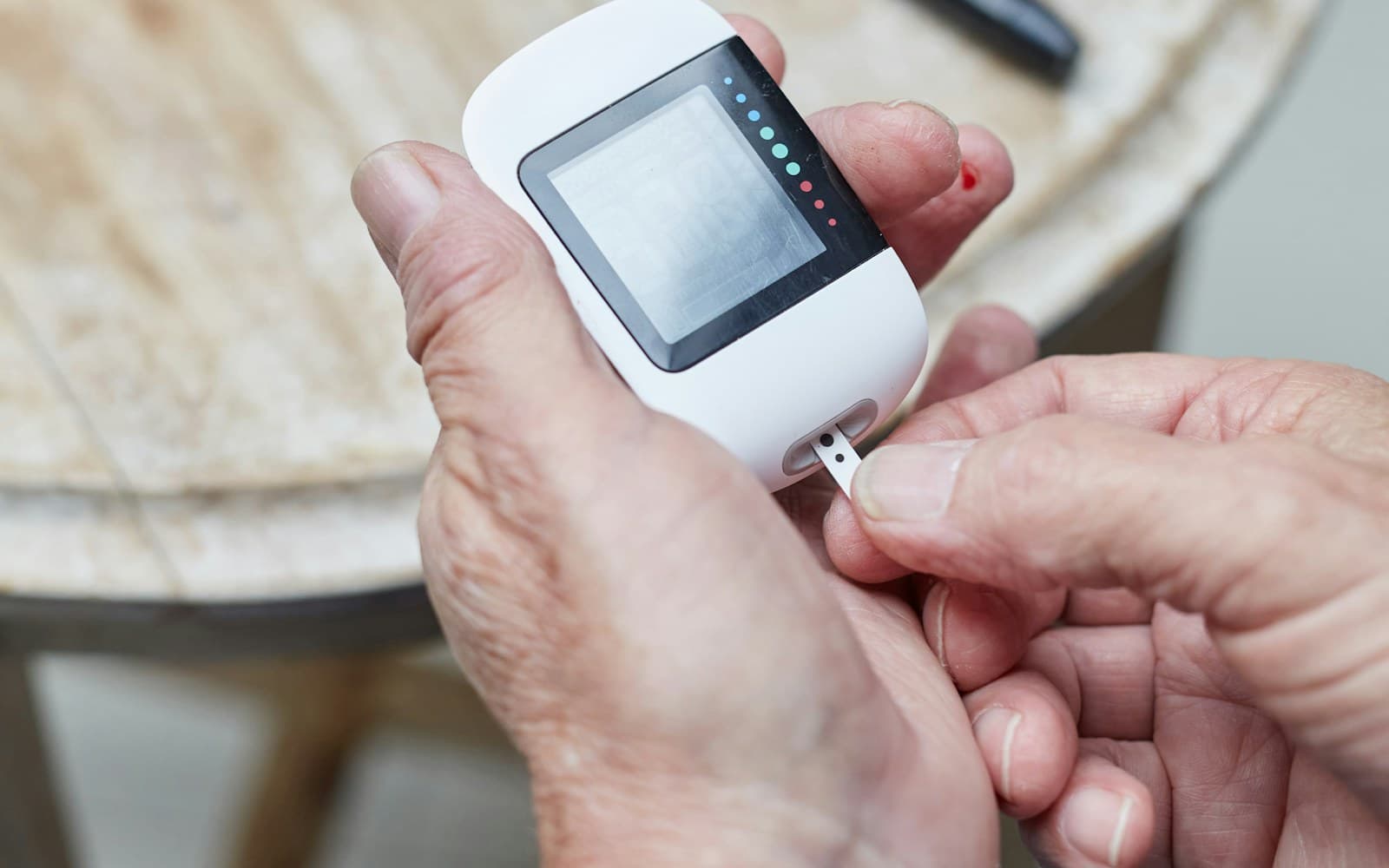
Understand how HbA1c and blood glucose tests are used for risk assessment, diagnosis and ongoing monitoring.

Why prescription weight-management treatment starts with an individual clinical review—and what a safe programme around it should include.

Testing too early can miss an infection. Learn the common testing windows—and when symptoms or a recent exposure should not wait.

Which form do you need, what will be checked and what should you bring to an HGV or bus driver medical?

A practical introduction to risk-led workplace health surveillance, competent delivery, confidentiality and employer responsibilities.

What families and case managers need to know when arranging a medically supported journey home from another country.
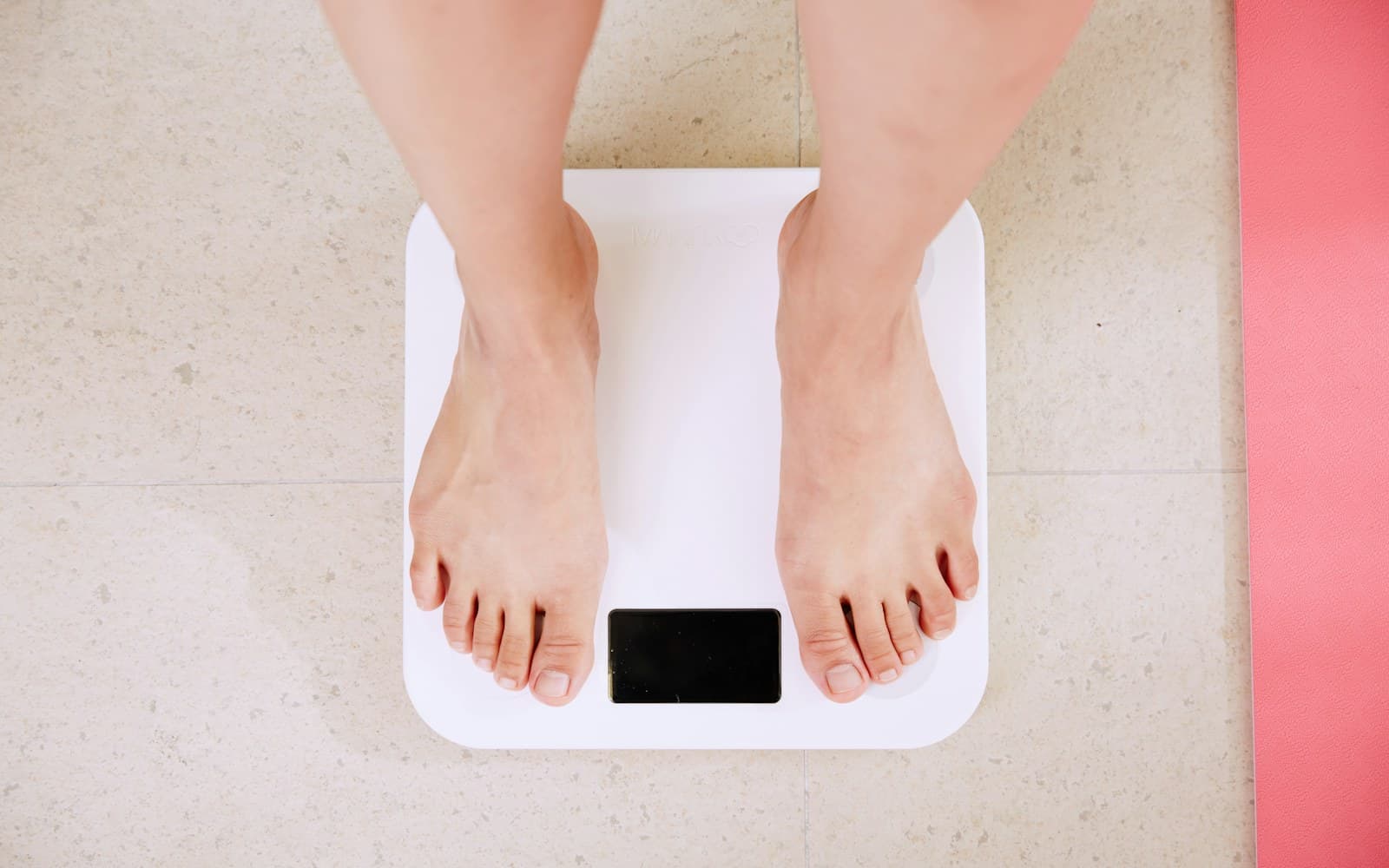
A body-composition reading can show more than weight—but hydration, preparation and trends all affect what the numbers mean.

The physique rating places your estimated body fat and muscle into one of nine body types. It is a guide to track, not a diagnosis.

A thyroid blood test usually starts with TSH. Free T4, free T3 and antibodies help show how significant a change is and what may be causing it.

An allergy blood test can show whether your body has made IgE to an allergen. Whether that means you are allergic depends on your symptoms and history.

A raised CK often reflects recent hard exercise or a minor muscle injury, but it can also point to a muscle problem, a medicine side effect or, rarely, serious muscle breakdown.

Total cholesterol, HDL, non-HDL, LDL and triglycerides each tell you something different. Your result is read alongside your overall risk, not on its own.

A practical guide for event organisers in Northern Ireland: who is responsible, how to judge the medical risk and what to arrange with your council and provider.
These guides give general information. They don’t diagnose a condition or replace advice from a clinician who knows your history. If symptoms are severe, worsening or urgent, use the appropriate emergency or urgent care service.
Find the right care
Explore our services or tell us what you need help with, and we will point you to the right next step.